

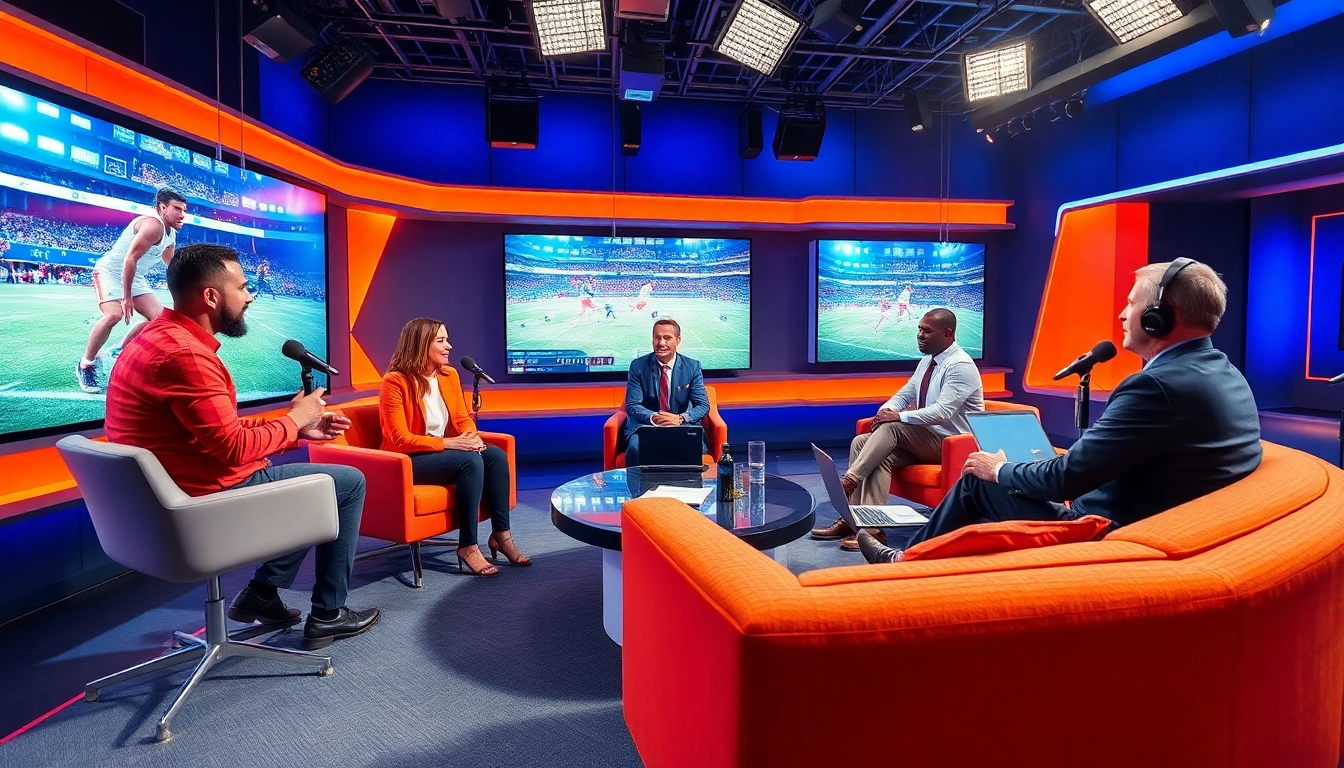
Understanding Sports Broadcasting Basics
Definition and Purpose of Sports Broadcasting
Sports broadcasting refers to the coverage and transmission of sporting events via various media platforms. This includes television, radio, and increasingly popular digital streaming services. The primary purpose of sports broadcasting is to deliver live and recorded sporting events to audiences, providing them with access to live action, commentary, analysis, and entertainment. High-quality sports broadcasting not only enhances the viewing experience but also helps to promote the sports being showcased.
History and Evolution of Sports Broadcasting
The origins of sports broadcasting can be traced back to the early 20th century when radio stations began delivering live updates of sporting events. The 1920s marked a turning point with the first live radio broadcast of a baseball game. As technology advanced, television became the primary medium for sports broadcasting in the mid-20th century. The 1960s witnessed the first-ever broadcast of the Olympic Games, showcasing the potential of television in reaching a massive audience. Fast forward to the present, the advent of the internet has revolutionized sports broadcasting, with live streaming becoming widely available, providing fans with unprecedented access to sports content. For more on evolving trends in this field, visit Sports Broadcasting.
The Role of Technology in Sports Broadcasting
Technology plays a crucial role in sports broadcasting, influencing how events are captured and shared. Modern broadcasting technologies include high-definition cameras, drones for aerial views, and advanced sound systems that enhance audio quality. The integration of graphics and data analytics on-screen provides viewers with real-time statistics and insights during games. Furthermore, the rise of augmented reality (AR) and virtual reality (VR) is paving the way for immersive viewing experiences that allow fans to engage with the event like never before, making sports broadcasting more interactive and engaging.
Key Elements of Sports Broadcasting
Essential Equipment and Setup
The foundation of effective sports broadcasting lies in the equipment used. Essential gear includes high-definition cameras, audio recording devices, and broadcasting vehicles equipped with satellite technology for live feeds. Additionally, a robust editing suite allows for post-event highlights and packages. Proper setup ensures that camera angles capture the action optimally, and sound quality enhances the commentary and crowd ambiance, providing a comprehensive viewing experience. Understanding these components can significantly improve the quality of any sports broadcast.
Talent and Presentation Skills
A successful sports broadcast relies heavily on the talent behind the scenes. Commentators and presenters must possess excellent communication skills, a deep understanding of the sports they cover, and the ability to engage with viewers. These professionals need to convey excitement and emotion while providing informative insights that cater to both casual fans and seasoned viewers. Training in media presentation, coupled with experience in sports analysis, is vital for broadcasters who wish to excel in this competitive industry.
Production Techniques in Sports Broadcasting
Production techniques in sports broadcasting encompass a wide range of practices, including camera operation, audio balancing, and live-editing. A successful live production requires a well-coordinated team that includes camera operators, sound engineers, and production directors. Techniques such as multi-camera setups provide different angles of the action, while slow-motion replays allow viewers to appreciate crucial moments in detail. Continual communication during live broadcasts is essential, as any production hiccup can affect viewer experience significantly.
New Trends Shaping Sports Broadcasting
Rise of Streaming Services and Mobile Broadcasting
The rise of streaming services has dramatically changed the landscape of sports broadcasting. Platforms like ESPN+, DAZN, and others have begun to dominate, allowing fans to watch live events on-demand. This shift away from traditional cable subscriptions offers viewers more options and flexibility in how they consume sports content. Additionally, mobile broadcasting has opened new avenues, with coverage tailored for smartphones and tablets, ensuring that fans can follow their favorite teams regardless of location.
Impact of Social Media on Sports Coverage
Social media has become an integral part of sports broadcasting, allowing for real-time updates, highlights, and fan engagement. Platforms like Twitter, Instagram, and TikTok serve as critical channels where sports news is circulated, and fan reactions are shared. This democratization of content has enabled fans to participate in discussions, share their views, and access exclusive behind-the-scenes content. Broadcasters are now embracing these platforms to enhance their reach and develop brand loyalty among audiences.
Integration of Augmented Reality in Broadcasting
Augmented reality (AR) is transforming sports broadcasting by providing viewers with interactive experiences. AR graphics can enhance game presentations by overlaying crucial statistics, player bios, and real-time data on the screen. For instance, during a live football game, viewers might see player stats appear as they make a key play, making the viewing experience more engaging and informative. This technology not only captivates the audience but also helps them make informed analyses of the game as it unfolds.
Best Practices for Effective Sports Broadcasting
Preparing for Live Broadcasts
Preparation is key to successful sports broadcasting. Prior to live events, crews should perform thorough checks on all equipment, ensuring that cameras, microphones, and lighting are fully operational. Developing a comprehensive production plan that includes the event’s narrative, key highlights, and potential uncertainties can significantly affect execution. Pre-event meetings with all team members help clarify roles and improve coordination, minimizing disruptions during the live broadcast.
Engaging Your Audience
Engaging your audience is paramount in sports broadcasting. Employing interactive elements such as polls, fan questions, and social media interactions can maintain viewer interest throughout the event. Encouraging feedback on platforms where fans can express their opinions enhances the community feel of the broadcast. Moreover, personal stories of athletes or teams can create emotional connections that resonate deeply with viewers, enriching overall engagement.
Ensuring Quality and Consistency
Quality and consistency are vital for maintaining viewer loyalty in sports broadcasting. This involves not just the technical quality of the broadcasts—clear images, good sound quality, and smooth transitions—but also delivering high-quality commentary and analysis. Regular training for presenters and technical crews can help uphold standards. Creating a consistent broadcasting schedule allows audiences to know when to tune in, fostering anticipation and steady viewership.
Measuring Success in Sports Broadcasting
Key Performance Metrics to Track
Measuring the success of sports broadcasting requires tracking various performance metrics. Key indicators include viewer ratings, audience retention rates, and social media engagement levels. Additionally, analyzing viewer demographics helps broadcasters understand their audience better. These metrics provide insight into what resonates with viewers and guide improvements for future broadcasts, ensuring they continue to meet audience expectations.
Gathering Audience Feedback and Insights
Gathering feedback is crucial for continuous improvement in broadcasting. Methods such as surveys, focus groups, and social media analysis can yield valuable insights into audience preferences. Having open channels for viewers to express their opinions about the broadcast allows broadcasters to adapt and cater to their audience’s needs. Regularly analyzing feedback helps in adjusting content strategy and enhancing overall viewer experience.
Case Studies of Successful Broadcasts
Several case studies provide benchmarks for success in sports broadcasting. For example, analyzing a successful Olympic broadcast can reveal effective strategies, such as innovative use of technology, comprehensive coverage of events, and high-quality storytelling. Learning from these case studies allows new broadcasters to develop best practices that are informed by proven results, effectively guiding them toward success while minimizing common pitfalls.
Frequently Asked Questions
What is sports broadcasting?
Sports broadcasting is the coverage and transmission of sports events via media platforms like TV, radio, and streaming services, providing audiences access to live and recorded events.
How has technology impacted sports broadcasting?
Technology has enhanced sports broadcasting through high-definition cameras, real-time graphics, and streaming capabilities, making viewing experiences more immersive and engaging.
What are the key skills needed for sports broadcasters?
Essential skills include strong communication, in-depth sports knowledge, audience engagement techniques, and the ability to analyze and present information compellingly.
How can engagement be improved in sports broadcasting?
Engagement can be enhanced through interactive elements like polls, fan Q&A sessions, and utilizing social media for real-time audience interaction and feedback.
What metrics measure the success of sports broadcasts?
Key metrics include viewer ratings, audience retention, social media engagement, and demographic analysis to understand audience preferences and adapt strategies accordingly.